
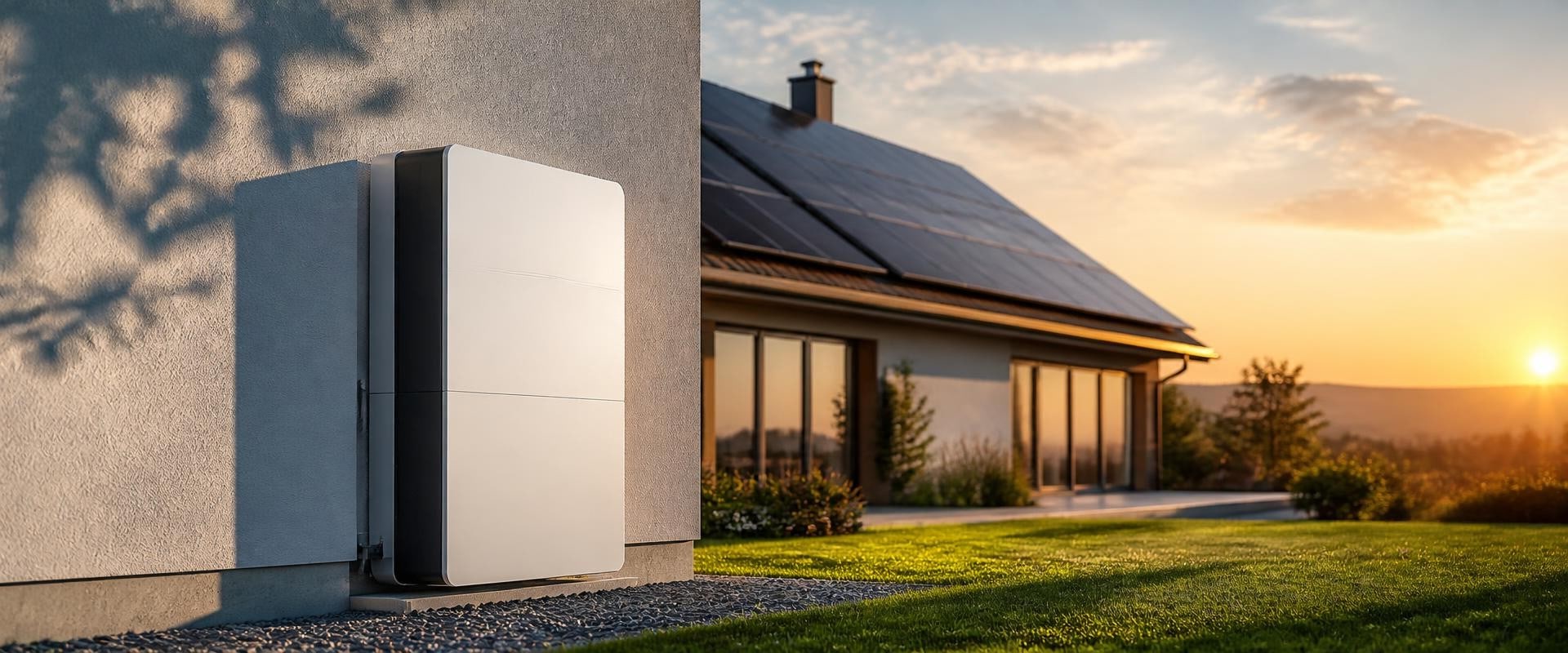
As the world increasingly turns its attention to sustainable energy solutions, the integration of renewable sources into our power grids becomes more critical than ever. Among these renewable sources, solar energysolar energy stands out due to its abundance and accessibility. However, one of the significant challenges that has emerged is how to effectively manage this intermittent energy source. This is where the concept of integrating storage with solar power systems comes into play.
Imagine a future where your home can harness the sun's energy during the day, store it efficiently, and use it at night or during cloudy days. This vision is not just a dream; it is becoming a reality thanks to technological advances in energy storage solutions. By combining solar power systems with innovative storage technologies, we can create a seamless energy experience that maximizes efficiency and reliability. In this article, we will delve deep into the fascinating world of Imagine a future where your home can harness the sun's energy during the day, store it efficiently, and use it at night or during cloudy days. This vision is not just a dream; it is becoming a reality thanks to technological advances in energy storage solutions. By combining solar power systems with innovative storage technologies, we can create a seamless energy experience that maximizes efficiency and reliability. In this article, we will delve deep into the fascinating world of energy storage solutions and explore how they enhance solar energy systems. We will discuss the latest advancements in battery technology, examine various storage methods, and highlight successful case studies showcasing the practical benefits of this integration.
Whether you're a homeowner considering solar panels or an industry professional looking to stay ahead in the field, understanding this synergy is crucial. Join us as we uncover how harnessing the power of storage not only optimizes solar energy systems but also paves the way for a sustainable energy future. The integration of storage systems with solar power systems represents a significant advancement in the quest for a sustainable energy future. As the world shifts towards renewable energy sources, the combination of solar power and storage technology has emerged as a crucial solution to address the intermittency issues associated with solar energy generation. By harnessing the potential of storage, we can enhance the efficiency and reliability of solar energy systems, ensuring a consistent supply of electricity regardless of weather conditions or time of day. At its core, integrating storage with solar power involves using battery systems to store excess energy generated during peak sunlight hours. This stored energy can then be utilized during periods when solar generation is low, such as at night or on cloudy days.
The most common technology used for energy storage in these applications is lithium-ion batteries, which have gained popularity due to their high efficiency, long lifespan, and decreasing costs. However, other emerging technologies, such as flow batteries and solid-state batteries, are also being explored for their potential advantages in terms of scalability and safety. The benefits of energy storage are numerous. One of the primary advantages is load shifting, which allows consumers to store energy when it is abundant and use it during peak demand times. This not only helps reduce electricity bills but also alleviates pressure on the grid during high-demand periods.
Additionally, energy storage provides backup power during outages, ensuring that homes and businesses remain operational even when the grid goes down. This reliability is particularly valuable for critical facilities such as hospitals and data centers that require uninterrupted power supply. Integrating storage with solar power also promotes increased self-consumption of solar energy. By storing excess generation for later use, consumers can reduce their reliance on grid electricity and maximize the benefits of their solar investments. This is especially appealing in regions with high electricity rates or where time-of-use pricing structures are implemented, as it allows users to consume more of their own generated power instead of exporting it back to the grid at lower rates. There are numerous successful examples of solar-storage integrations in both residential and commercial settings.
For instance, many homeowners are now installing solar panels alongside home battery systems like the Tesla Powerwall or LG Chem RESU. These systems not only enable households to achieve greater energy independence but also contribute to grid stability by providing stored energy during peak demand periods. On the commercial side, businesses are increasingly adopting large-scale battery systems paired with their solar installations to enhance operational efficiency and reduce energy costs. Financial incentives play a crucial role in promoting the adoption of solar-storage systems. In many regions, government programs offer various forms of support, including tax credits, rebates, and grants to encourage consumers to invest in renewable energy solutions.
For example, the federal Investment Tax Credit (ITC) allows homeowners and businesses to deduct a significant percentage of their solar installation costs from their federal taxes. Additionally, some states have implemented specific incentives for energy storage systems, further enhancing their attractiveness. Despite the clear advantages of integrating storage with solar power, several common misconceptions persist. One prevalent myth is that solar energy systems do not work effectively in cloudy or rainy conditions. While it is true that solar generation decreases during such weather, having an integrated storage system allows users to still benefit from previously generated energy.
Another misconception is that battery systems are prohibitively expensive; however, as technology advances and economies of scale come into play, the costs associated with battery storage continue to decline. Challenges exist in the realm of solar-storage integration as well. Issues such as limited battery lifespan, concerns about recycling materials used in battery production, and initial installation costs can deter potential adopters. Fortunately, innovative solutions are emerging to address these challenges. Research into more sustainable battery technologies is ongoing, with companies exploring alternatives that utilize less harmful materials and have improved recyclability. In conclusion, integrating storage systems with solar power offers a transformative approach to harnessing renewable energy effectively.
Through advancements in technology and supportive government policies, we can enhance the reliability and efficiency of our energy systems while paving the way for a more sustainable future. As consumer interest in sustainable energy solutions continues to rise, embracing these integrations will be key to meeting our energy needs efficiently and responsibly.
The Synergy of Solar Power and Energy Storage
The integration of solar power systems with energy storage solutions creates a powerful synergy that significantly enhances overall efficiency. As solar energy generation is inherently intermittent, relying solely on it can lead to periods of excess energy production during sunny days and shortages during cloudy or nighttime conditions. This is where energy storage systems, such as batteries, come into play. By storing excess energy generated during peak sunlight hours, these systems ensure that solar power can be used even when the sun is not shining.This capability not only maximizes the utilization of generated solar energy but also stabilizes the grid by reducing fluctuations in energy supply. For instance, with adequate storage capacity, homeowners and businesses can consume stored energy during high-demand periods, thus alleviating pressure on the grid and potentially lowering energy costs. Moreover, integrating storage solutions with solar power systems enhances reliability. In scenarios where grid outages occur, stored energy can serve as a backup power source, providing peace of mind to users. This resilience is increasingly vital as extreme weather events and other disruptions become more frequent due to climate change. The adoption of solar energy paired with effective storage solutions is not just beneficial for individual users; it contributes to a more sustainable energy ecosystem.
A study by the International Renewable Energy Agency (IRENA) indicates that combining renewable sources like solar with storage could lead to a significant increase in the share of renewables in global energy supply, further driving down carbon emissions. In conclusion, the marriage of solar power generation and energy storage systems offers a holistic approach to energy management that maximizes efficiency, enhances reliability, and supports the transition towards a sustainable energy future.
Government Programs Supporting Renewable Energy
In recent years, various governments around the world have recognized the critical role that renewable energy plays in combating climate change and promoting energy independence. To this end, numerous government initiatives have been established to encourage the adoption of renewable energy sources, including solar power and integrated storage solutions. One significant initiative is the Investment Tax Credit (ITC) in the United States, which allows homeowners and businesses to deduct a substantial percentage of their solar system costs from their federal taxes. This program has been instrumental in driving solar adoption rates across the country. Additionally, many states have implemented Renewable Portfolio Standards (RPS), which mandate that a certain percentage of energy must come from renewable sources. These standards not only push utilities to invest in solar energy but also promote the integration of energy storage systems to ensure reliability and efficiency. Furthermore, federal programs like the Solar Energy Technologies Office (SETO) provide funding for research and development in solar technologies and storage solutions.Such programs aim to reduce costs, improve performance, and enhance the overall efficiency of solar installations. Internationally, countries such as Germany and China have also established comprehensive subsidy programs to encourage the deployment of solar energy systems. These subsidies often cover a significant portion of installation costs and are accompanied by favorable financing options to make solar energy more accessible to the public. In conclusion, government support plays a vital role in accelerating the transition towards renewable energy. By implementing policies that promote both solar power and energy storage, governments are not only fostering sustainable practices but also paving the way for a more resilient energy future.
Financial Incentives for Solar-Storage Integration
Investing in solar power systems integrated with energy storage technologies can be a significant financial commitment. However, numerous financial programs and tax credits are available to help alleviate these costs, making it more accessible for homeowners and businesses alike.Understanding these incentives is crucial for maximizing the return on investment in renewable energy solutions. One of the primary incentives available is the Federal Investment Tax Credit (ITC), which allows individuals to deduct a substantial percentage of the cost of their solar systems from their federal taxes. As of 2023, this credit is set at 30%, offering a considerable financial benefit for those who invest in both solar panels and energy storage solutions. In addition to the ITC, many states offer their own tax credits and rebates specifically for solar-storage integration. These programs vary widely by state, but they can significantly reduce the upfront costs associated with installation. For example, states like California, New York, and Massachusetts have robust incentive programs that encourage the adoption of renewable energy technologies. Moreover, some utility companies provide incentives for customers who install solar power systems with storage capabilities.
These incentives may come in the form of cash rebates or performance-based incentives that reward users based on the amount of energy generated or stored. It is essential to check with local utility providers to understand what specific programs may be available. Financing options also play a critical role in making solar-storage investments feasible. Many financial institutions offer solar loans, allowing consumers to spread out the cost of their systems over several years. Additionally, some companies provide leasing options, enabling customers to install solar and storage technologies without a large upfront payment while still benefiting from reduced energy bills. Lastly, federal and state programs often promote community solar projects, where multiple participants can invest in a shared solar system with integrated storage.
This model allows individuals who cannot install solar panels on their properties to participate in solar energy generation and receive financial benefits. In conclusion, understanding and utilizing the various financial incentives available for solar-storage integration can significantly enhance the economic viability of adopting these technologies. By leveraging tax credits, rebates, financing options, and community projects, investors can contribute to a sustainable future while also reaping substantial financial rewards.
Technological Innovations in Energy Storage
As the demand for renewable energy sources continues to rise, recent advancements in energy storage technology are playing a pivotal role in enhancing the capabilities of solar power systems.Energy storage
solutions are essential for overcoming the intermittent nature of solar energy, enabling greater efficiency and reliability in power generation. One significant innovation is the development of lithium-ion batteries, which have become the backbone of modern energy storage systems. These batteries offer high energy density, longer life cycles, and faster charging capabilities compared to traditional lead-acid batteries.Their decreasing costs have made them more accessible for both residential and commercial applications. Additionally, solid-state batteries are emerging as a groundbreaking alternative to lithium-ion technology. These batteries promise higher energy densities and enhanced safety features, reducing the risk of overheating and fires associated with liquid electrolytes. As manufacturing techniques improve, solid-state batteries could revolutionize the way we store solar energy. Another noteworthy advancement is the integration of flow batteries, which utilize liquid electrolytes to store energy. Flow batteries can be scaled easily and are particularly suited for large-scale applications, such as utility-scale solar farms.
Their long discharge times make them ideal for balancing supply and demand, especially during peak usage hours. The innovation of grid-scale storage solutions is also noteworthy, allowing for the storage of large quantities of solar energy that can be fed back into the grid when needed. Technologies like pumped hydro storage and compressed air energy storage are being optimized to work alongside solar power systems, contributing to a more resilient energy infrastructure. Moreover, advancements in smart grid technologies are enhancing the management of energy storage systems. These technologies allow for real-time monitoring and optimization of energy flow between solar panels and storage units, ensuring that energy is used most efficiently. The combination of smart grids with advanced storage systems will ultimately lead to a more sustainable and reliable energy ecosystem. In conclusion, ongoing technological innovations in energy storage are vital for maximizing the potential of solar power systems.
As these technologies continue to evolve, they will pave the way for a cleaner and more efficient energy future. In conclusion, the integration of storage with solar power systems represents a pivotal advancement in our pursuit of a sustainable energy future. Throughout this article, we have explored the myriad benefits of this synergy, including enhanced reliability, financial incentives, and the robust support provided by government initiatives. As we transition towards a more renewable energy landscape, it is essential for individuals and businesses alike to consider the advantages of adopting these technologies. By harnessing the combined power of solar energy and storage solutions, users can not only reduce their carbon footprint but also enjoy greater energy independence and cost savings. We encourage our readers to investigate the solar energy options available in their region and take proactive steps towards integrating these innovative systems into their energy plans.