
As the world increasingly turns to renewable energy sources, solar power continues to shine as a leading solution for both residential and commercial energy needs. Among the numerous choices available, monocrystalline and polycrystalline solar panels stand out as two popular options that promise efficiency and sustainability. However, as a potential solar panel buyer, you may find yourself pondering the differences between these two technologies. Which one is more suitable for your specific energy requirements? Understanding the nuances of each type can significantly impact your investment and long-term energy savings. This article aims to demystify the debate surrounding monocrystalline vs.
polycrystalline panels, exploring their distinct characteristics, advantages, and disadvantages. By diving deep into their manufacturing processes, performance metrics, and cost implications, we will provide you with the insights necessary to make an informed decision. Whether you're looking to harness solar energy for your home, business, or community project, knowing the right fit for your needs is essential. Join us as we compare these two technologies and help you determine which solar solution aligns with your goals. The choice between monocrystalline and polycrystalline solar panels has become a critical decision for homeowners and businesses venturing into solar energy.
As the world increasingly turns its attention to renewable energy sources, understanding the differences between these two types of panels can significantly impact financial savings and energy efficiency.
Monocrystalline
panels are made from single-crystal silicon, which allows for higher efficiency rates, typically ranging from 15% to 22%. This means they can convert a larger portion of sunlight into usable electricity compared to their counterparts. On the other hand, polycrystalline panels, created from multiple silicon crystals, generally have lower efficiency rates, usually between 13% to 16%.While this may seem like a minor difference, it can lead to substantial variations in overall energy production, particularly in areas with limited space for installation. When considering the cost per watt, monocrystalline panels tend to be more expensive due to their manufacturing process and higher efficiency levels. The average cost can range from $1 to $1.50 per watt, while polycrystalline panels may cost between $0.90 and $1.20 per watt. This price difference can influence the total investment required for a solar installation, especially for those on a tight budget. However, it is essential to factor in the potential long-term savings on electricity bills when evaluating these costs. The performance of both panel types can vary significantly under different environmental conditions.
Monocrystalline panels excel in low-light conditions and perform better in high temperatures compared to polycrystalline panels. This makes them particularly suitable for regions with less sunlight or extreme weather conditions. Conversely, polycrystalline panels can be more sensitive to temperature fluctuations and may experience a drop in efficiency during extreme heat. Therefore, choosing the right panel type should consider local climate conditions and available sunlight throughout the year. Longevity is another critical factor to consider when deciding between these two types of solar panels.
Typically, monocrystalline panels have a longer lifespan of about 25 years or more, often backed by warranties that reflect this durability. In contrast, polycrystalline panels usually last around 20-25 years but may come with slightly shorter warranties. This longevity can affect the overall return on investment (ROI) as well as the long-term reliability of the solar system. To illustrate how these factors affect investment in solar power, consider two case studies: one homeowner installed monocrystalline panels on their roof due to space constraints in an urban setting, while another opted for polycrystalline panels on a larger property with ample space. The first homeowner experienced quicker payback due to higher energy output despite the initial higher costs, while the second homeowner enjoyed lower upfront expenses but faced longer payback times due to reduced efficiency. Addressing potential concerns about aesthetics and installation difficulty is crucial for consumers.
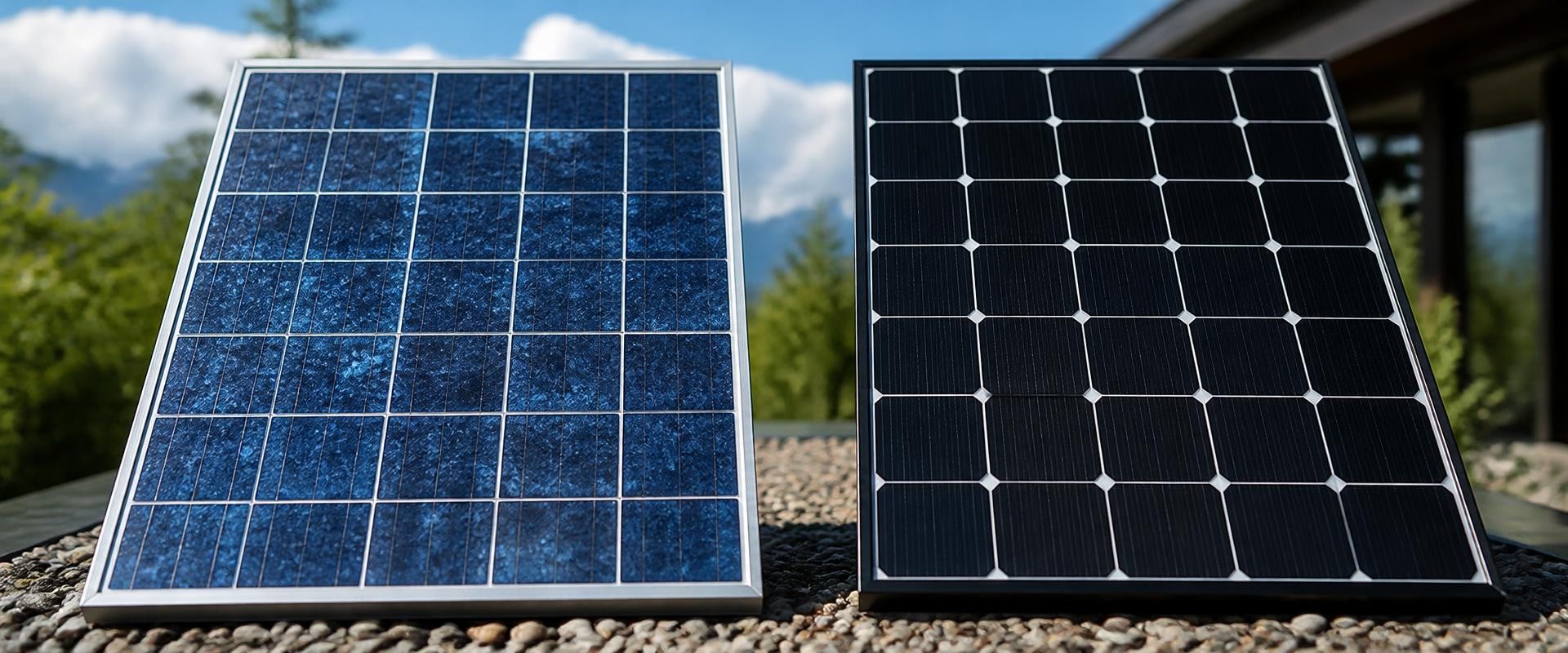
Many individuals perceive monocrystalline panels as more visually appealing due to their sleek black appearance, while polycrystalline panels often have a bluish hue that some may find less attractive. Furthermore, installation complexity can vary; however, both types can be installed effectively by trained professionals. Consumers should weigh aesthetic preferences alongside performance metrics when making a decision. Recent innovations in both technologies are also influencing consumer choices. Advances in manufacturing processes have led to more efficient cells with improved performance characteristics for both monocrystalline and polycrystalline panels.
Additionally, developments in bifacial solar technology allow both panel types to capture sunlight from both sides, enhancing energy production even further. Finally, it is essential for consumers to stay informed about current government programs or financial incentives that could benefit their decision-making process regarding solar installation. Many states offer tax credits, rebates, or performance-based incentives for installing solar systems. Understanding these incentives can significantly reduce the overall cost of installation and enhance the attractiveness of investing in either monocrystalline or polycrystalline solar panels. The choice between monocrystalline and polycrystalline solar panels ultimately depends on various factors including budget constraints, available roof space, aesthetic preferences, and local environmental conditions. By carefully considering these aspects and staying updated on technological advancements and financial incentives, consumers can make an informed decision that aligns with their energy needs and financial goals.
Exploring Polycrystalline Panels
Polycrystalline solar panels are one of the two primary types of solar panels available in the market today, the other being monocrystalline panels.These panels are made from multiple silicon crystals melted together, resulting in a distinctive blue hue and a speckled appearance. This manufacturing process is generally less expensive than that of monocrystalline panels, which contributes to their cost-effectiveness. One of the key benefits of polycrystalline panels is their affordability. Because they require less energy to produce, they often come at a lower price point, making them an attractive option for budget-conscious consumers. Additionally, polycrystalline panels tend to perform well under high temperatures, which can enhance their efficiency in warmer climates. However, there are also some downsides to consider.
Polycrystalline panels typically have a lower efficiency rating compared to their monocrystalline counterparts. This means that while they may be cheaper, they require more space to produce the same amount of energy. Furthermore, their performance can be slightly less efficient in low-light conditions, which may be a consideration for areas that experience extended cloudy weather. In summary, polycrystalline solar panels present a viable option for those looking to invest in solar technology without breaking the bank. However, potential buyers should weigh the trade-offs between cost and efficiency based on their specific energy needs and environmental conditions.
Impact on Solar Energy Incentives
The choice between monocrystalline and polycrystalline solar panels can significantly influence your eligibility for various financial incentives.Many government programs and financial institutions offer tax credits, grants, and rebates based on the type of solar technology you install. Understanding these nuances can lead to substantial savings. In general, monocrystalline panels are often favored in incentive programs due to their higher efficiency and space-saving benefits. Their superior performance in low-light conditions and longer lifespan make them a popular choice among homeowners looking for long-term investments. As a result, installations using monocrystalline panels may qualify for higher tax credits and rebates. On the other hand, polycrystalline panels, while usually less expensive upfront, may not always provide the same level of incentives.
Depending on regional policies, these panels might have limited eligibility for certain grants or lower tax rebate amounts. Therefore, it's crucial to research local policies and incentives that could affect your return on investment. Moreover, some states and utility companies have specific programs that reward the use of high-efficiency solar technologies. By choosing monocrystalline panels, you may access additional benefits that enhance your overall financial savings. Lastly, it's advisable to consult with solar energy experts or installers who are well-versed in the latest incentive structures to ensure you make an informed decision that maximizes your financial benefits while meeting your energy needs.
Understanding Monocrystalline Panels
Monocrystalline solar panelsMonocrystalline solar panels are made from a single continuous crystal structure, which contributes to their distinctive appearance and performance characteristics. These panels are typically recognized by their uniform dark color and rounded edges, making them an aesthetically pleasing choice for many homeowners. One of the main advantages of monocrystalline panels is their high efficiency.They tend to convert more sunlight into electricity compared to other types of solar panels, often achieving efficiency ratings of 20% or more. This means they require less space to produce the same amount of energy, making them ideal for residential rooftops where space may be limited. Another significant benefit is their longevity. Monocrystalline panels have a longer lifespan, usually ranging from 25 to 30 years, and they often come with strong warranties that guarantee performance over time. Additionally, they perform better in low-light conditions and have a lower temperature coefficient, meaning their efficiency does not drop as much in high temperatures compared to other types. However, monocrystalline solar panels also come with some disadvantages.
The most notable drawback is their cost; they tend to be more expensive than polycrystalline panels due to the complex manufacturing process. This higher upfront investment may not be feasible for all homeowners or businesses, especially those looking for budget-friendly options. Furthermore, while they are more efficient in terms of space and energy conversion, if they do become damaged, the cost of replacement can be higher than that of polycrystalline panels. Therefore, while monocrystalline panels offer excellent performance and longevity, potential buyers should weigh these factors against their budget and energy needs before making a decision.
Comparative Analysis: Efficiency and Cost
When considering solar panels, two primary options stand out: monocrystalline and polycrystalline. Understanding their efficiency ratings, costs, and return on investment is crucial for making an informed decision.Monocrystalline
solar panels are known for their high efficiency, typically ranging from 15% to 22%.This is largely due to the purity of the silicon used in their production, which allows for better electron mobility. As a result, they require less space to produce the same amount of energy compared to polycrystalline panels. On the other hand, polycrystalline panels generally have slightly lower efficiency ratings, ranging from 13% to 16%. While they may take up more space to generate equivalent power output, they are often favored for larger installations where space is less of a constraint. Cost is another significant factor to consider.
Monocrystalline
panels tend to be more expensive upfront due to their manufacturing process and higher efficiency.Prices can range from $1,000 to $3,000 per kilowatt installed. In contrast, polycrystalline panels usually come at a lower cost, ranging from $800 to $2,500 per kilowatt installed, making them a more budget-friendly option. However, the initial investment in monocrystalline panels can lead to greater long-term savings. Given their higher efficiency and longer lifespan (often exceeding 25 years), homeowners may recoup their investment faster through energy savings. In contrast, while polycrystalline panels may have lower upfront costs, their slightly reduced efficiency could result in longer payback periods. Ultimately, the choice between monocrystalline and polycrystalline panels will depend on individual circumstances, including budget, space availability, and energy needs.
Conducting a thorough analysis of these factors will help determine the most suitable option for your solar energy goals.
Future Trends in Solar Technology
The solar energy sector is witnessing rapid advancements that promise to transform the landscape of monocrystalline and polycrystalline panels. As technology evolves, several innovative trends are emerging that could enhance the efficiency, affordability, and overall appeal of both panel types. One significant trend is the development of bifacial solar panels. These panels can capture sunlight from both sides, increasing overall energy production. By utilizing reflective surfaces beneath the panels, bifacial designs can potentially offer higher efficiency rates than traditional monofacial panels, making them an attractive option for both monocrystalline and polycrystalline systems. Additionally, the integration of smart technology into solar panels is on the rise.Smart solar panels equipped with sensors and IoT capabilities can optimize energy production by adjusting to environmental changes in real-time. This innovation not only enhances performance but also provides valuable data for users to monitor their energy usage and savings effectively. Moreover, research into new materials, such as perovskite solar cells, is gaining traction. These materials have shown the potential to outperform traditional silicon-based panels in terms of efficiency and manufacturing costs. If commercialized successfully, perovskite technology could revolutionize both monocrystalline and polycrystalline panels by offering a more efficient alternative. The trend towards sustainable manufacturing processes is also gaining momentum.
Solar panel manufacturers are increasingly focusing on eco-friendly practices, which not only reduce their carbon footprint but also appeal to environmentally conscious consumers. Innovations in recycling technologies for old solar panels will further enhance sustainability and contribute to a circular economy. Lastly, government incentives and policies aimed at promoting renewable energy adoption are expected to continue shaping the future of solar technology. As financial support increases for innovative solutions and installations, consumers will have access to a wider range of options when considering monocrystalline vs.
polycrystalline
panels. In summary, the future of solar technology is bright with promising innovations that could significantly impact the efficiency and cost-effectiveness of both monocrystalline and polycrystalline solar panels.Staying informed about these trends will empower consumers to make well-informed decisions that align with their energy needs and financial goals. In conclusion, understanding the differences between monocrystalline and polycrystalline solar panels is crucial for making an informed decision about your solar energy investment. We have explored the efficiency, cost, and technological advancements of both types of panels. Each has its advantages and limitations, which can significantly influence your energy savings and overall performance. As you consider which option aligns best with your specific needs—be it budget constraints, available space for installation, or your long-term energy goals—it's essential to weigh these factors carefully. Remember that the right choice can lead to substantial financial savings and enhanced energy efficiency. Furthermore, staying updated on the latest developments in solar technology and available financial incentives is vital.
This knowledge not only helps you make a more informed decision but also maximizes the return on your investment in solar power.