
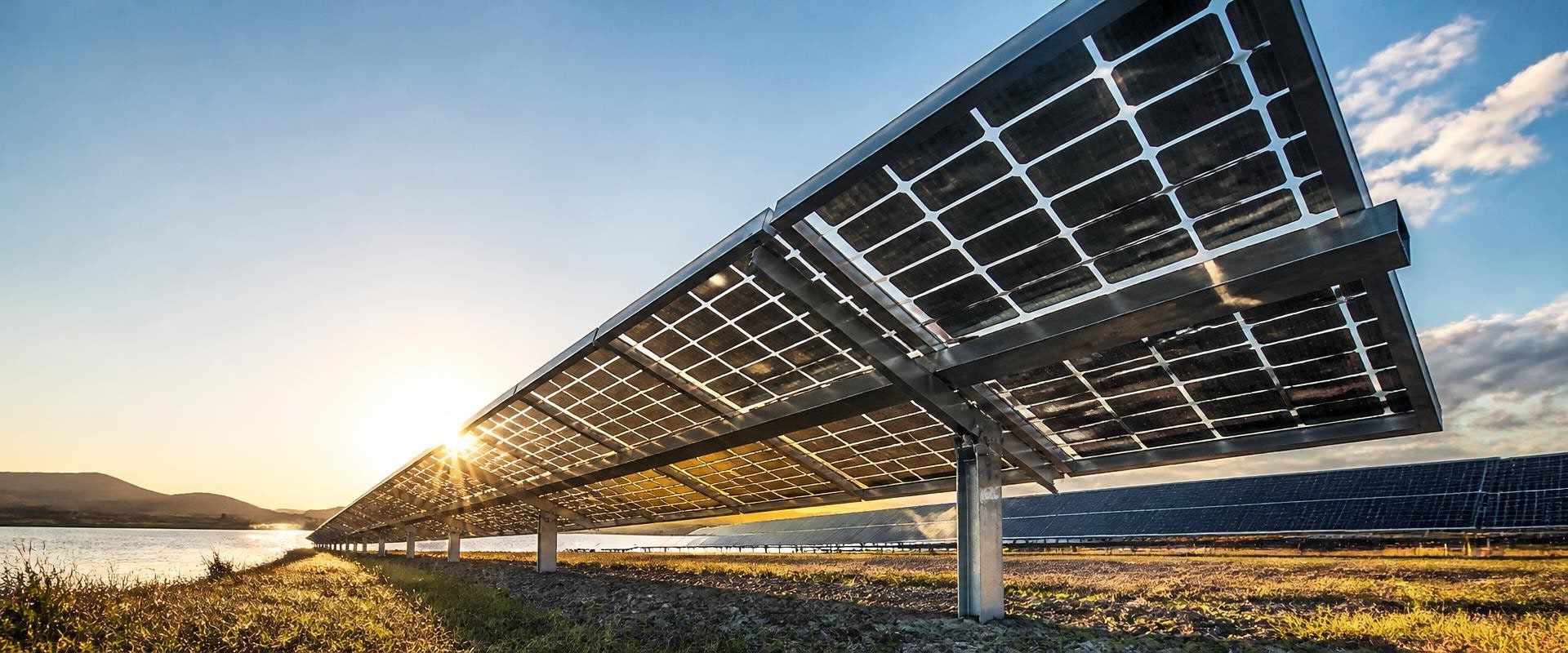
In the ever-evolving landscape of renewable energy, bifacial solar panelsbifacial solar panels are emerging as a game-changer, offering remarkable efficiency and sustainability. As the world increasingly turns to solar power to combat climate change and reduce dependence on fossil fuels, understanding these innovative technologies is more critical than ever. Bifacial solar panels harness sunlight from both sides, maximizing energy capture and enhancing overall performance. This unique design allows for greater energy output compared to traditional monofacial panels, making them an attractive option for both residential and commercial applications.
With advancements in materials and technology, these panels are not just a trend; they represent a significant leap forward in photovoltaic technologies. As we delve deeper into the intricacies of bifacial solar panels, we will explore their benefits, how they function, and their potential impact on the future of solar energy. Join us on this enlightening journey to discover how bifacial solar panels are revolutionizing renewable energy and paving the way for a more sustainable future.
Bifacial solar panels
are an innovative advancement in the field of solar technology, distinguished by their ability to capture sunlight from both the front and rear sides. Unlike traditional solar panels, which only absorb light from one side, bifacial panels utilize both direct sunlight and reflected light from the ground or surrounding surfaces. This unique design significantly enhances energy capture, leading to increased efficiency in energy production. are an innovative advancement in the field of solar technology, distinguished by their ability to capture sunlight from both the front and rear sides. Unlike traditional solar panels, which only absorb light from one side, bifacial panels utilize both direct sunlight and reflected light from the ground or surrounding surfaces. This unique design significantly enhances energy capture, leading to increased efficiency in energy production.The working principle of bifacial panels hinges on the use of transparent backsheets or glass that allow sunlight to penetrate from both directions, maximizing the potential for energy generation throughout the day. The advantages of bifacial solar panels are numerous. One of the most significant benefits is their increased energy efficiency. Studies have shown that bifacial panels can produce 10% to 20% more energy than traditional monofacial panels under optimal conditions. This increase in output is particularly notable in environments with high albedo, such as snowy or sandy areas, where reflected light can substantially contribute to energy generation.
Furthermore, since bifacial panels can produce more electricity per unit area, they help reduce land use for solar installations. This characteristic is especially crucial as the demand for renewable energy continues to grow, and optimizing land use becomes a priority for sustainability. Several real-world examples illustrate the successful deployment of bifacial solar technology. For instance, a large-scale solar farm in Mount Signal, California, utilizes bifacial panels and has reported impressive performance metrics. The installation has demonstrated an increase in energy production due to the reflective surfaces surrounding the panels, showcasing how these systems can thrive in practical applications.
Another notable example is the Solar Park in Taal, Philippines, where bifacial technology was integrated to harness sunlight effectively while taking advantage of the reflective properties of its geographical location. These examples highlight how bifacial installations can significantly impact overall energy production and contribute to meeting growing energy demands. Technological advancements have played a pivotal role in enhancing the performance and durability of bifacial solar panels. Innovations in materials and manufacturing processes have led to more robust designs capable of withstanding harsh environmental conditions. For instance, improvements in anti-reflective coatings have increased light absorption efficiency, while advancements in structural engineering have bolstered resilience against wind and snow loads.
These developments ensure that bifacial panels not only generate more electricity but also have longer lifespans compared to their traditional counterparts. Despite their advantages, there are challenges associated with the installation and deployment of bifacial solar panels. One significant hurdle is the initial installation cost, which can be higher than traditional systems due to the advanced technology and materials involved. Additionally, site requirements must be carefully considered; optimal performance often requires specific ground conditions and careful planning regarding panel orientation and spacing to maximize reflected light capture. Addressing these challenges is crucial for wider adoption in the market. Current government programs and incentives are playing a key role in promoting the adoption of bifacial solar technology.
Various initiatives, including tax credits, grants, and renewable energy programs, are designed to encourage investment in advanced solar technologies. For example, the Federal Investment Tax Credit (ITC) provides substantial financial incentives for solar installations, which includes bifacial systems. Furthermore, local and state governments are increasingly offering additional incentives aimed at supporting renewable energy initiatives, thereby making it more feasible for businesses and homeowners to invest in bifacial technology. Statistics from recent studies bolster the argument for bifacial solar panel adoption. Research indicates that installations using bifacial technology can yield energy outputs exceeding those of traditional installations by up to 30% in optimal conditions.
Furthermore, a report by the National Renewable Energy Laboratory (NREL) highlights that bifacial systems can achieve payback periods that are significantly shorter than those of standard solar technologies due to their enhanced efficiency and energy production capabilities. This data not only underscores the effectiveness of bifacial solar panels but also demonstrates their potential impact on advancing renewable energy goals globally.
Understanding Bifacial Technology
Bifacial solar panels are an innovative advancement in photovoltaic technology that capture sunlight from both the front and rear sides. This unique design allows them to utilize not only direct sunlight but also reflected sunlight from surrounding surfaces, such as the ground or nearby structures. By leveraging this dual exposure, bifacial panels can significantly increase energy output compared to traditional monofacial panels. The mechanics behind bifacial technology involve the use of transparent back sheets or glass, which enables light to pass through and be absorbed by the solar cells on the rear side.The amount of energy harvested from reflected sunlight depends on several factors, including the albedo of the surface beneath the panels. Albedo refers to the reflectivity of a surface; for instance, white or light-colored surfaces have a higher albedo than dark ones, thus reflecting more light. Moreover, the installation angle and elevation of bifacial panels play a crucial role in optimizing their performance. When mounted at the right tilt and height, they can efficiently capture sunlight that is reflected off the ground, enhancing their overall efficiency. This characteristic makes bifacial panels particularly effective in solar farms where large areas can be utilized. As interest in renewable energy sources continues to grow, understanding the mechanics and advantages of bifacial solar panels is essential for making informed decisions about solar technology investments.
Their ability to maximize energy production while minimizing land use makes them a compelling option for both residential and commercial applications.
Case Studies: Success Stories
In recent years, bifacial solar panels have emerged as a game-changer in the renewable energy sector, with numerous successful installations demonstrating their effectiveness. One notable example is the Mount Signal Solar Project in California, which utilizes bifacial panels to harness sunlight from both sides. This installation has reported a significant increase in energy output, with estimates suggesting that bifacial technology can enhance electricity generation by up to 20% compared to traditional monofacial panels. Another impressive case is the JinkoSolar Project in the United States, where bifacial panels were deployed on a large scale. The project showcased not only higher efficiency but also lower levelized cost of electricity (LCOE), making it an attractive option for investors and energy providers alike.This success has spurred further interest in bifacial technology and its adoption across various regions. Moreover, the Gansu Solar Park in China has demonstrated the potential of bifacial solar panels in large-scale applications. By utilizing a reflective surface beneath the panels, this installation achieved remarkable results, amplifying energy capture and contributing to China's ambitious renewable energy goals. The park's performance has set a benchmark for future solar projects aiming to maximize efficiency and sustainability. These case studies illustrate how bifacial solar panels not only enhance energy production but also contribute positively to the overall economics of solar projects. As the industry continues to evolve, these successful examples will likely inspire more installations worldwide, further embedding bifacial technology into the future of solar energy.
Challenges and Considerations
While bifacial solar panels offer numerous advantages, there are several challenges and considerations that potential adopters must take into account.One of the primary hurdles is the higher initial cost associated with these panels compared to traditional monofacial options. Although they can yield greater energy production over time, the upfront investment may deter some consumers and businesses from making the switch. Another challenge is the installation complexity. Bifacial panels require careful positioning and mounting to maximize their dual-sided energy capture. This necessitates skilled installation and potentially more sophisticated infrastructure, which can add to costs and timeframes. Additionally, the site selection plays a crucial role in the performance of bifacial solar panels.
To fully capitalize on their ability to harness sunlight from both sides, installations should ideally be placed in locations with reflective surfaces, such as light-colored ground materials or near bodies of water. Poor site selection can diminish the effectiveness of bifacial technology. To mitigate these challenges, potential adopters should conduct thorough cost-benefit analyses that factor in long-term savings from increased energy production. Engaging with experienced solar providers who understand bifacial technology can also help ensure proper installation and site evaluation. Furthermore, staying informed about available incentives for renewable energy technologies can alleviate some financial burdens associated with adopting bifacial solar panels. In summary, while the transition to bifacial solar technology presents certain challenges, with proper planning and execution, these hurdles can be effectively managed, paving the way for a more sustainable energy future.
Future of Bifacial Solar Panels
The future of bifacial solar panels appears promising as advancements in technology continue to evolve.With the increasing demand for renewable energy sources, bifacial panels are expected to play a crucial role in meeting energy needs more efficiently. As manufacturers enhance the design and materials used in these panels, we anticipate improvements in their efficiency and durability, which could make them even more attractive to both residential and commercial users. Moreover, the broader solar market is likely to experience a shift towards bifacial technology as more developers recognize its advantages. The ability of bifacial solar panels to capture sunlight from both sides means they can generate up to 30% more energy than traditional monofacial panels, especially in environments where light can reflect off surfaces such as snow or sand. In addition to technological advancements, government incentives and policies are expected to support the adoption of bifacial solar panels. As countries strive to meet renewable energy targets, investments in innovative technologies will be prioritized, making bifacial panels a focal point in future solar projects. Furthermore, we may see increased integration of bifacial solar panels within smart grid systems.
This integration can optimize energy distribution and storage, allowing for better management of renewable resources. As grid technology advances, the synergy between bifacial panels and smart grids could lead to enhanced energy efficiency and sustainability. In conclusion, the trajectory for bifacial solar panels looks bright as they become more prevalent within the solar market. With ongoing research, development, and supportive policies, these innovative panels are set to revolutionize how we harness and utilize solar energy in the years to come.
Financial Incentives for Adopting Bifacial Solar
As bifacial solar panels gain traction in the renewable energy market, various financial incentives are available to encourage their adoption. These incentives play a critical role in making the initial investment more affordable for homeowners and businesses alike. One of the primary incentives is the Investment Tax Credit (ITC), which allows consumers to deduct a significant percentage of the cost of installing solar energy systems from their federal taxes.As of now, this credit stands at 26% for systems installed before the end of 2022, and it is set to decrease in subsequent years. This makes it an opportune time for consumers to consider bifacial technology.In addition to federal tax credits, many states offer their own incentives, such as rebates or performance-based incentives that can further reduce the cost of purchasing bifacial solar panels. For example, states like California and New York have robust programs that encourage solar adoption through financial support. Furthermore, various utility companies provide grants and incentive programs aimed at promoting solar energy usage, including bifacial solar technology. These programs can vary significantly by region, so it's essential for potential buyers to research what's available in their local area. Finally, federal and state governments are continually introducing new programs aimed at promoting renewable energy technologies.
Keeping abreast of these developments can help consumers make informed decisions and take advantage of any new financial opportunities that arise.
Advantages Over Traditional Panels
Bifacial solar panels offer several advantages over traditional solar panels, primarily due to their unique design that captures sunlight from both sides. This dual-sided capability allows them to harness additional light reflected from the ground or surrounding surfaces, resulting in higher overall energy production. One of the most significant benefits of bifacial panels is their increased efficiency. Studies have shown that these panels can generate up to 20-30% more energy compared to their monofacial counterparts, especially in environments with high albedo, such as snowy or sandy areas. This enhanced performance translates into better energy yield, making them a more attractive option for both residential and commercial applications. In addition to efficiency gains, bifacial solar panels also have a positive environmental impact.Their ability to produce more energy with the same amount of sunlight means that fewer panels are required to achieve a specific energy output. This reduction in the number of panels needed can lead to lower land use and less material consumption, contributing to a more sustainable approach to solar energy production. Furthermore, bifacial technology is often paired with advanced tracking systems, which can further enhance energy capture by adjusting the panel orientation toward the sun throughout the day. This combination of bifacial design and tracking technology positions these panels as a leading choice in the evolution of solar power solutions. Overall, the advantages of bifacial solar panels not only improve energy efficiency but also promote a more environmentally friendly approach to harnessing solar energy, making them a crucial element in the future of renewable energy technologies. In conclusion, Bifacial Solar Panels represent a groundbreaking advancement in the field of renewable energy. Throughout this article, we explored the unique technology behind these panels, highlighting their ability to capture sunlight from both sides, which leads to enhanced efficiency compared to traditional solar panels.
We discussed the numerous advantages that bifacial technology offers, including improved energy yield and reduced land use. Moreover, we delved into the various financial incentives currently available for those looking to adopt this innovative technology, making it a more accessible option for homeowners and businesses alike. As showcased in our case studies, many organizations have already reaped the benefits of switching to bifacial solar panels, proving that this technology is not only efficient but also economically viable. However, we also acknowledged the challenges and considerations that come with this emerging technology, emphasizing the need for careful planning and research. Ultimately, understanding bifacial solar panels is crucial as the renewable energy landscape continues to evolve. We encourage our readers to explore these technologies further and take advantage of the available incentives to contribute to a more sustainable future.